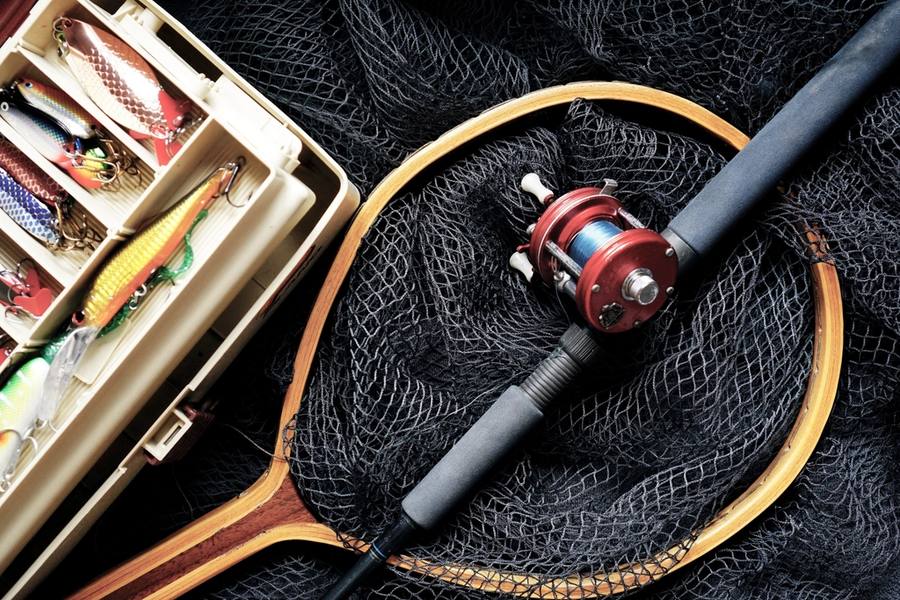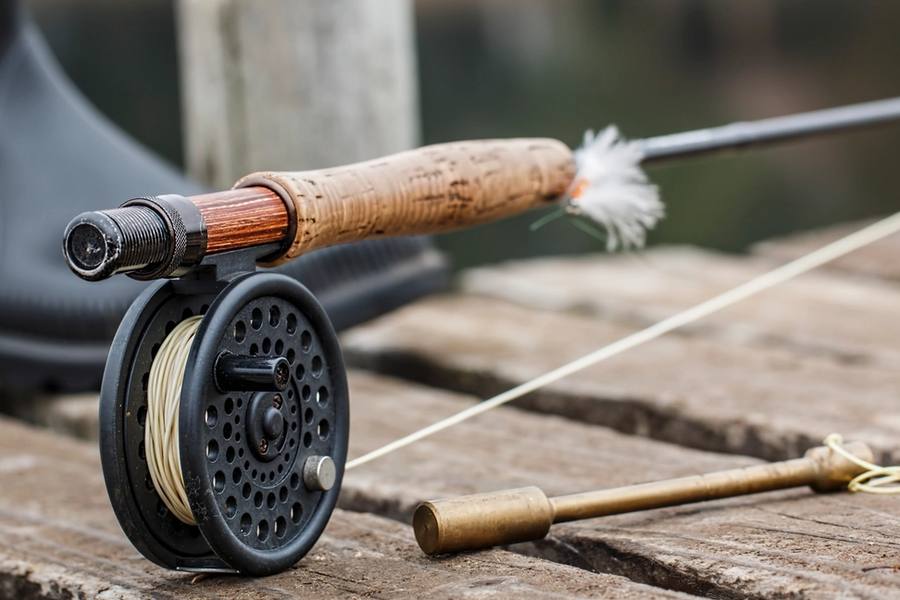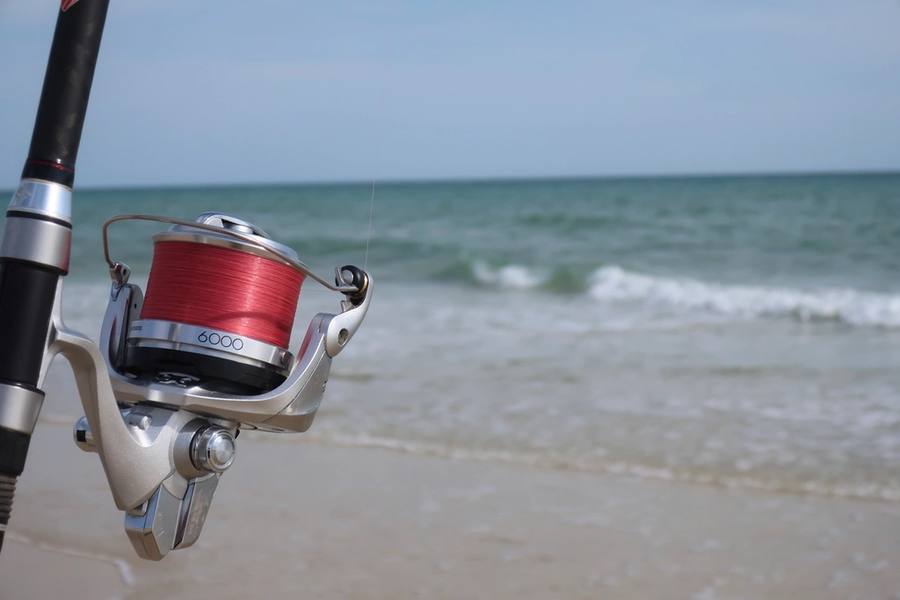
Symbolbild (Stockfoto); nicht das abgebildete Produkt.
Test Curve Explains The Rating
Carp rods are rated by test curve, which is the weight needed to pull the tip through ninety degrees, quoted in pounds.
A two and a half pound test curve suits general carp fishing at moderate range, and three pounds and above suits distance casting and heavy leads.
That single number tells you far more about what a rod is for than any marketing description, and it is worth understanding before buying.
Casting Weight And Blank Failure
Casting a lead or feeder heavier than a rod is designed for is the commonest way carp rods break, and it usually happens on the cast rather than on a fish.
A blank fails suddenly and completely under that load, and the lead then travels unpredictably, which is a genuine safety concern on a busy bank.
Building up casting weight gradually rather than immediately using the heaviest feeder available is sensible and is rarely done.
Shock Leaders For Heavy Casting
A heavy lead cast on light main line snaps the line at the moment of maximum acceleration, sending the lead a considerable distance uncontrolled.
A shock leader of heavier line, several rod lengths long, takes that load and is standard practice for distance casting.
This is a safety matter rather than a performance one, and fisheries increasingly require shock leaders for exactly that reason.
Quiver Tips And Bite Indication
Feeder rods use interchangeable quiver tips of different stiffness, which is how bites are seen rather than felt.
A tip too stiff shows nothing from a cautious fish and one too soft is pushed around by flow and wind, which means matching the tip to conditions rather than to the rod.
Carrying several tips and changing them as conditions change is ordinary practice and is what the system is designed for.
Playing Fish And Rod Cushioning
A powerful rod lands fish quickly, which reduces exhaustion in the fish and matters for catch and release.
A rod that is too powerful for the fish gives no cushion, which pulls hooks and breaks hooklinks at the net.
Matching rod to typical fish size rather than to the largest fish in the water produces better fishing and fewer losses.
Rod length affects both casting distance and control over line on the water, with twelve foot rods dominating for distance and ten foot rods being considerably easier in confined swims and under trees. Longer rods also lift more line clear of intervening water when playing a fish. The trade is real and most anglers end up owning both lengths for different venues.
Rod rests and bite alarms are effectively part of the system for feeder fishing, since a rod held by hand for hours is impractical and a tip watched constantly is tiring.
Two rods fished together is standard on many carp waters and prohibited on others, and checking the fishery rules before arriving avoids an awkward conversation with a bailiff.
The Verdict
A specialised rod where test curve and casting weight discipline matter for both performance and safety.
Overloading breaks blanks dangerously, stiff tips hide bites, and overpowered rods pull hooks at the net.
Use a shock leader for heavy casting. A lead snapping off on the cast travels a long way uncontrolled.
Auf einen Blick
Vorteile
- Casts feeders and leads to real range
- Interchangeable quiver tips suit conditions
- Lands fish quickly for release
- Test curve gives a clear power rating
Nachteile
- Breaks when overloaded on the cast
- Too powerful for smaller fish
- Stiff tips hide cautious bites
- Needs a shock leader for heavy casting
Häufig gestellte Fragen
What does test curve mean?
The weight needed to pull the rod tip through ninety degrees, in pounds. Around 2.5 lb suits general carp fishing at moderate range; 3 lb and above suits distance casting and heavy leads. It tells you more than any description.
Why did my rod break?
Almost certainly a lead or feeder heavier than the rod is rated for, on the cast rather than on a fish. Blanks fail suddenly and the lead then travels unpredictably, which is a real safety concern on a busy bank.
Do I need a shock leader?
For heavy casting, yes, and it is a safety matter. A heavy lead on light main line snaps at maximum acceleration and travels a long way uncontrolled. Many fisheries now require them for exactly that reason.
Spezifikationen
| Type | Carp feeder rod |
| Power rating | Test curve in pounds |
| General carp | Around 2.5 lb test curve |
| Distance and heavy leads | 3 lb and above |
| Commonest breakage | Overloaded on the cast |
| Safety | Shock leader for heavy casting |
| Bite indication | Interchangeable quiver tips |
| Match | Rod power to typical fish size |
Fazit
Understand test curve and respect the casting weight. And use a shock leader — that one is about safety.
Preis auf Amazon prüfen